




Last month, all hell broke loose on this normally tranquil slice of the Internet, when I shared a podcast episode with Gavin de Becker. Gavin is a famous criminologist who published a book called Forbidden Facts, which argued that many of the 72 childhood vaccines on the current schedule were either not necessary, or not worth the risk of taking. The book also claims the government knows all of this, and has deliberately suppressed the truth.
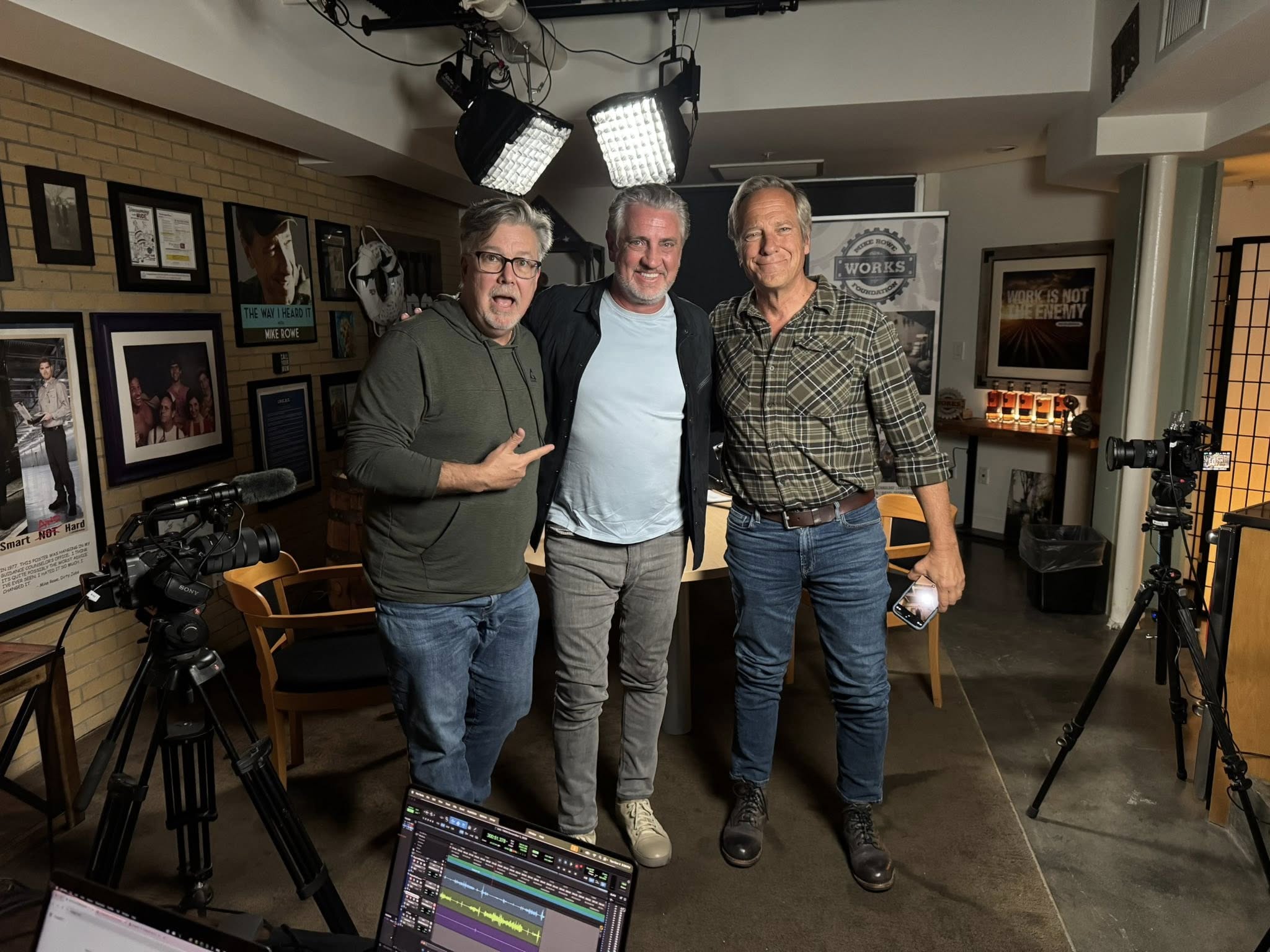
Along with the typical accusations of “anti-vaxer!” and “conspiracy nut,” most of the comments critical of Gavin, (and me) were posted by people who had neither read Gavin’s book, nor listened to our conversation. So certain were the defenders of “safe and effective,” they couldn’t even take a quick look at what was actually being suggested before proclaiming “the science has been settled!!!” Well, I suspect the same thing will happen again today. Because today, at the request of many listeners, my guest is Del Bigtree, CEO of Informed Consent Action Network. His recent film, An Inconvenient Study, is ruffling a lot of feathers.
The study in question was conducted by Dr. Marcus Zervos, the head of infectious diseases at The Henry Ford Medical Center. In short, this was the first major study to compare the overall health of thousands of people who received all of the recommended vaccines, with the overall health of those who did not. Most importantly, Dr. Zervos, a longtime proponent of vaccines (including all those on the current schedule) assured Del Bigtree that he would publish the results no matter what those results indicated. However, when the study was finally completed, Dr. Zervos changed his mind. Why? Because the results clearly contradicted the claims that the vaccines in question were safe and effective. And Dr. Zervos was afraid that releasing the results would cost him his job, and his reputation.
Obviously, Del Bigtree was very disappointed. Here at last was a very robust study conducted by a respected vaccine advocate at a renowned medical institution that cast serious doubt on the efficacy of certain vaccines. And so, Del went to meet with Dr. Zervos in person and pled with him to keep his word and publish the results. But, because he was not optimistic the Dr. Zavros would agree to do so, Del Bigtree surreptitiously filmed and recorded their entire conversation, over lunch. Consequently, Del Bigtree now has Dr. Zervos, (spoiler alert!) admitting – on camera – that even though he believed the results of his study were valid, he was unwilling to publish the results for fear of losing his job and his reputation in the medical community.
Obviously, my conversation with Del includes a discussion on the ethics of recording someone without their knowledge. We also discuss the methodology of the study itself, which has been criticized by a number of experts. Those criticisms are clearly stated and rebutted on the website where you can watch the film for free, linked below. But even if some experts question certain aspects of the underlying methodology, the results are impossible to ignore. If nothing else, they suggest an urgent need to conduct further studies with even larger groups and even better controls. The stakes are simply too high to shout down the skeptics with the usual “that’s all been debunked” routine, and the skeptics are now far too numerous to be dismissed as “anti-vaxxers.”
To that point, consider that just a few days ago, The Atlantic – arguably the strongest supporter of all recommended vaccines, (including and especially the Covid shots,) and the most consistent critic of anyone who suggested otherwise, finally admitted in a stunning headline that some children “may have died” because of them. https://bit.ly/4oUJTlP
There is no apology in the article, and zero empathy for the parents of the dead children. The author makes more of a “collateral damage” argument and concludes that the decision to deliberately conceal the attendant risk of injecting children with an unproven vaccine was a “strategic blunder” in the fight against “anti-vaxxers,” as opposed to a moral failing.
Nevertheless, it’s a remarkable reversal for a publication like The Atlantic, and no doubt gratifying to Gavin de Becker, Del Bigtree, and everyone else who has ever been shouted down for daring to wonder if we were being told the whole truth. Clearly, we weren’t.
An Inconvenient Study can be seen for free, here. https://www.aninconvenientstudy.com/
Likewise, my conversation with Del is also free, and can be listened to at your convenience. https://bit.ly/4aeUG6F
Both are worth your time.
Mike
PS. In response to the criticism sure to follow this conversation, I want to say, again, that my ultimate goal in talking to skeptics like Gavin de Becker and Del Bigtree is not to foster distrust in our institutions; it’s to push our institutions to admit when they’re wrong, and then, be accountable for those mistakes. Like most of you, I want to trust the experts. I want to believe our elected officials, our journalists, and most of all, our scientists. I want to believe they will always follow the facts, no matter where they lead. Unfortunately, experts are human beings, just like the rest of us. Some are more virtuous than others, but none are anxious to destroy their livelihoods and their reputations. Personally, I think it’s really important for the public to understand the pressure on experts like Marcus Zavros, and where that pressure comes from. That’s why books like Gavin’s and films like Del’s are important. Even if they are inconvenient…
Mike’s Facebook Page