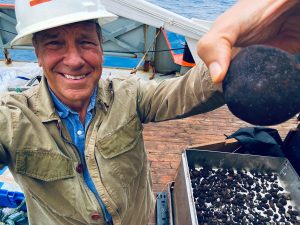



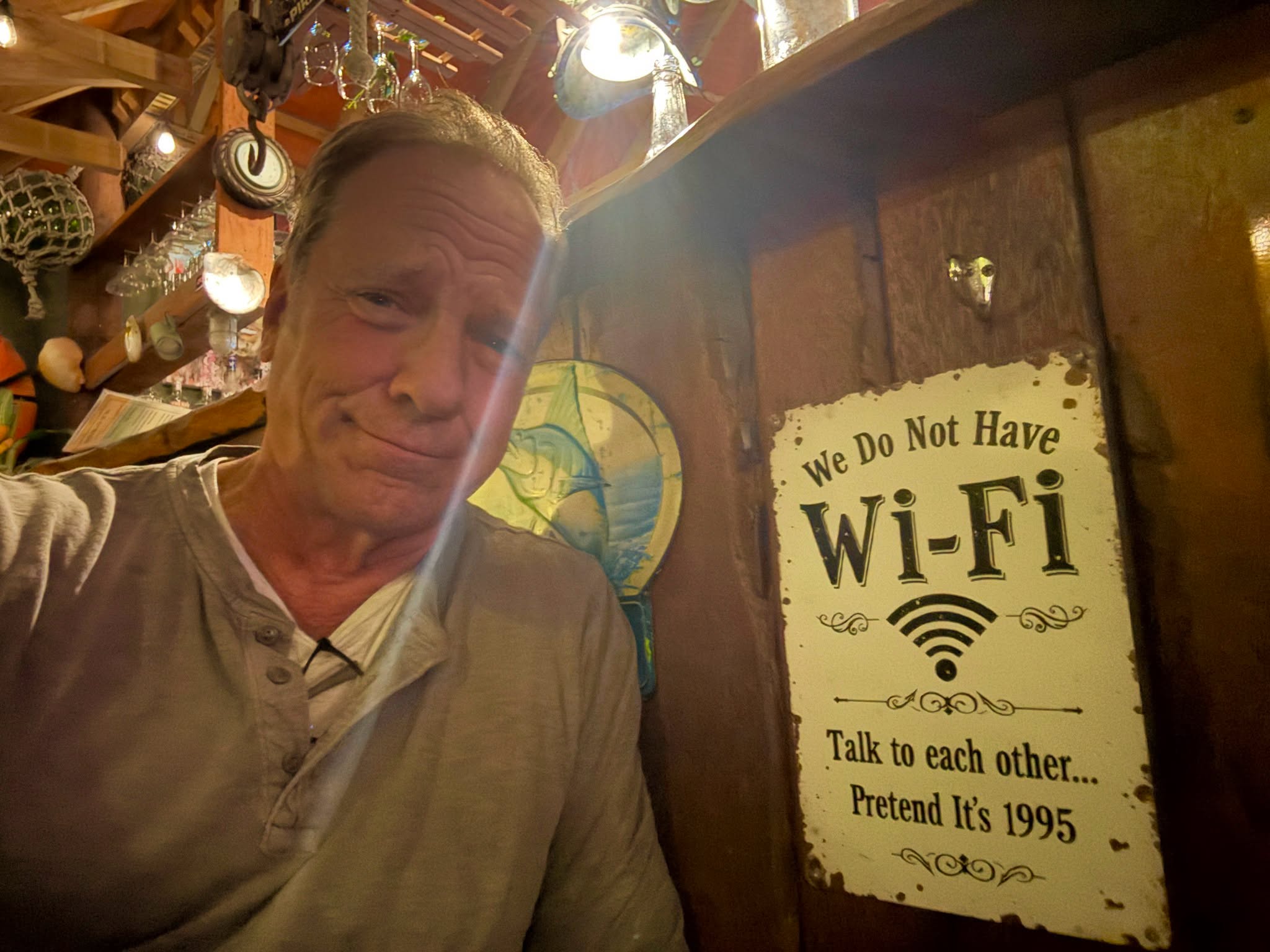
Please pardon another protracted absence, but I’ve been hopelessly distracted by the beauty of the South Pacific, the hospitality of the Cook Islanders, a delightful lack of Wi-Fi, and America’s growing reliance on rare earths and critical metals.
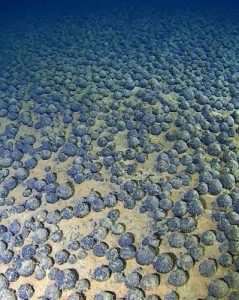
I blame my friends at CIC Minerals and OML, a couple of deep-sea research and exploration companies on the island of Rarotonga, who are working to better understand the impact of harvesting a few hundred million tons of polymetallic nodules spread across the bottom of the ocean, like so many golf balls on a giant driving range, waiting to be scooped up. Unlike golf balls however, these small, ancient spheres are packed with cobalt, copper, nickel, manganese, and rare earths. They’re also five miles below the surface of the ocean, where they’ve been forming for the last 30 million 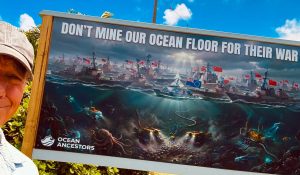 years or so, in quantities so vast it boggles the mind.
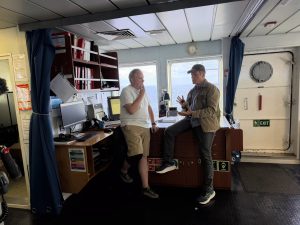 Obviously, the business of retrieving these nodules is complicated and controversial. The pressure five miles below the surface is indescribable. But so too, is the pressure up here on land. The electric grid on which we all depend is about to get a whole lot bigger, and the metals in these nodules are now more valuable than all of the gold and silver on every shipwreck combined, with a collective value of fifteen to twenty trillion dollars. (Yes, trillion.) And now, 150 years after these curious little rocks first came to our attention, we finally have the technology and the capital to bring them to the surface. The question is, will we? Or more to the point, should we?
The stakes are high for everyone, but especially for Cook Islanders. Assuming the research indicates an acceptable level of environmental impact, and assuming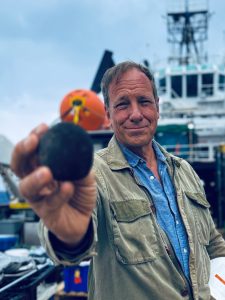
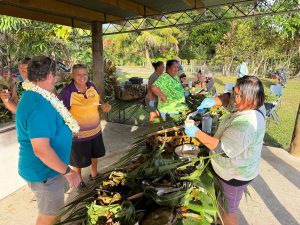 the government grants permission to start harvesting sometime soon, these islands could quickly become one of the wealthiest nations on earth. Some locals like the sound of that. The Cooks rely almost entirely on tourism, and for them, Covid was an unmitigated economic disaster. After years of no appreciable GDP, a new source of revenue would be most welcome, and provide a whole new level of infrastructure, health care, and so forth. Others, however, are skeptical. Many locals fear the potential disruption of fisheries and cultural heritage, while others
 believe the immense profits will enrich no one but politicians and foreign corporations. And those fears are being stoked every day. Consider the billboard that greeted me just outside the airport in Rarotonga. (Obviously, this is not an accurate depiction of what nodule collecting looks like, but it’s a fine example of the propaganda and misinformation
 that’s about to bombard this part of the world, and soon, America.)
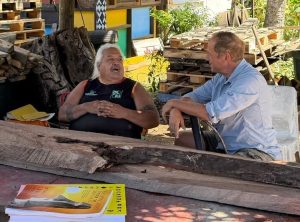
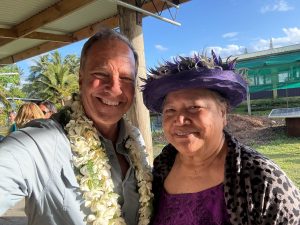
Anyway, that’s where I’ve been, and early next year, I’ll have an episode ready to share. For now, I want to thank Greg Stemm and Shona Lynch at CIC Ocean Research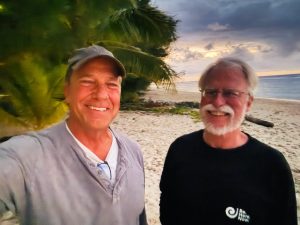 for their hospitality, along with Hans Smit at Ocean Minerals, (and his hard-working crew aboard the Anuanua Moana,) Michael Tavioni, (a genuine cultural icon, master carver, and traditional knowledge keeper,) Mrs. Beverly Stacey-Ataera the Seabed Minerals Commissioner, Mark Brown, the current Prime Minister, and everyone else
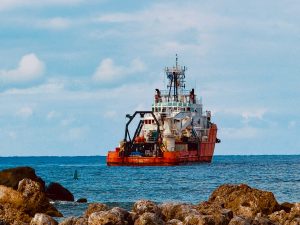 who welcomed us warmly and talked candidly about the future of their island. I hope to return, sometime soon.